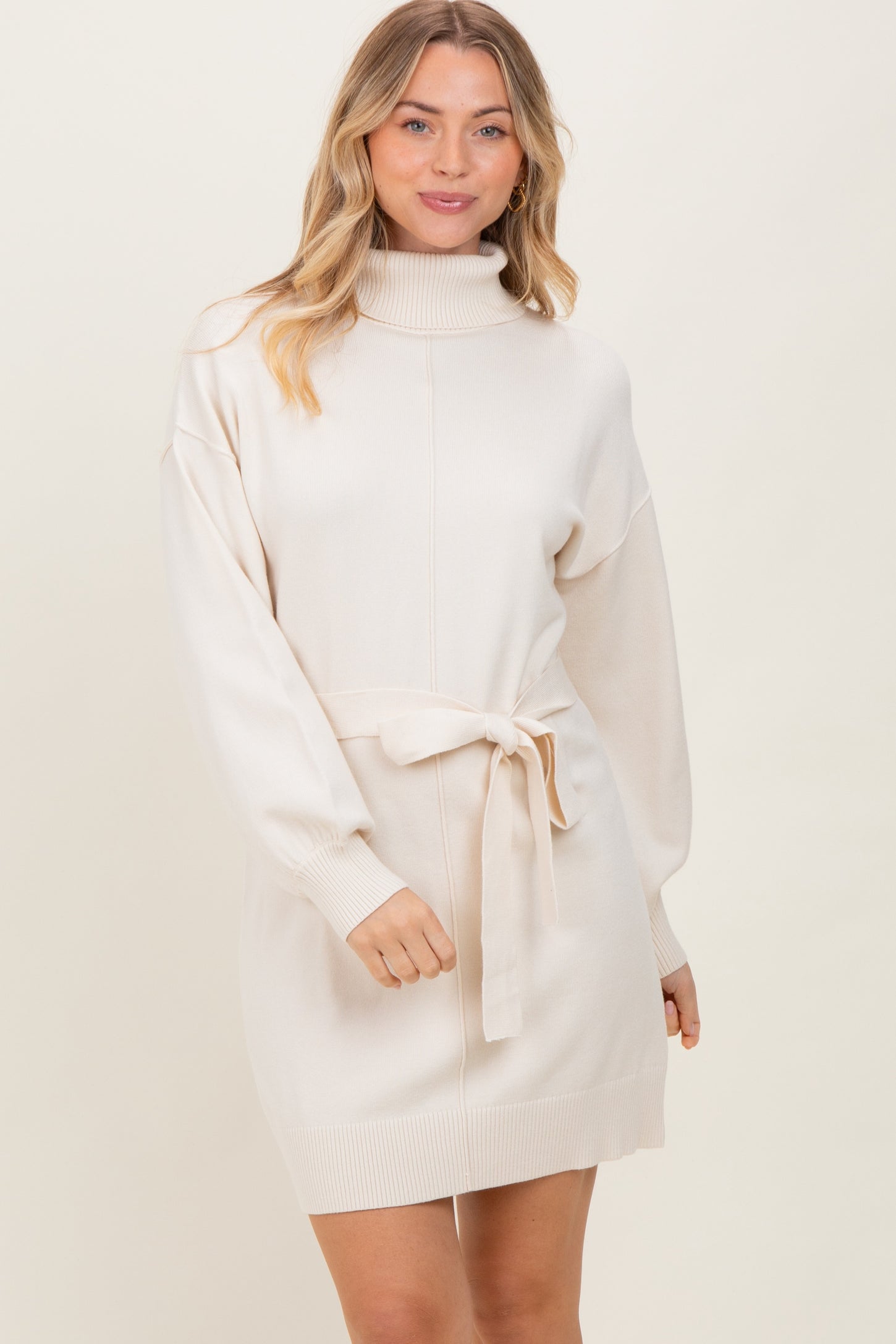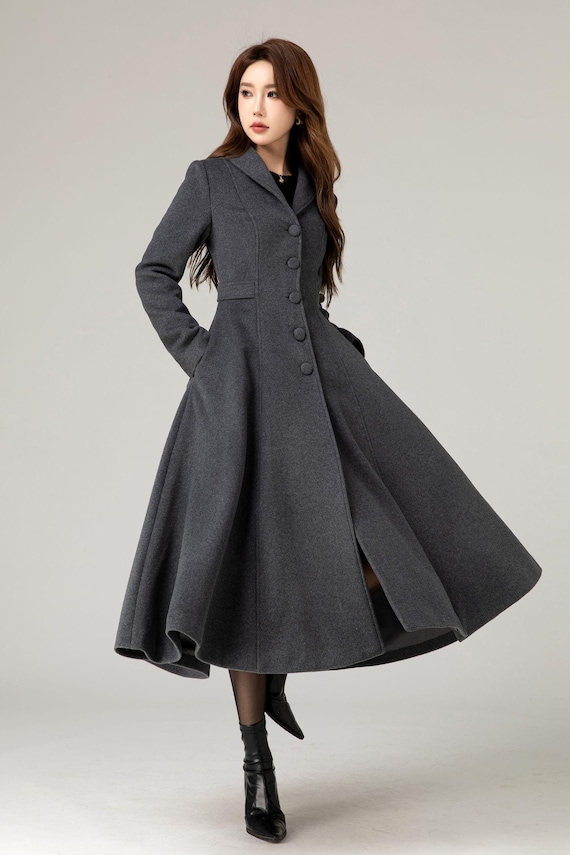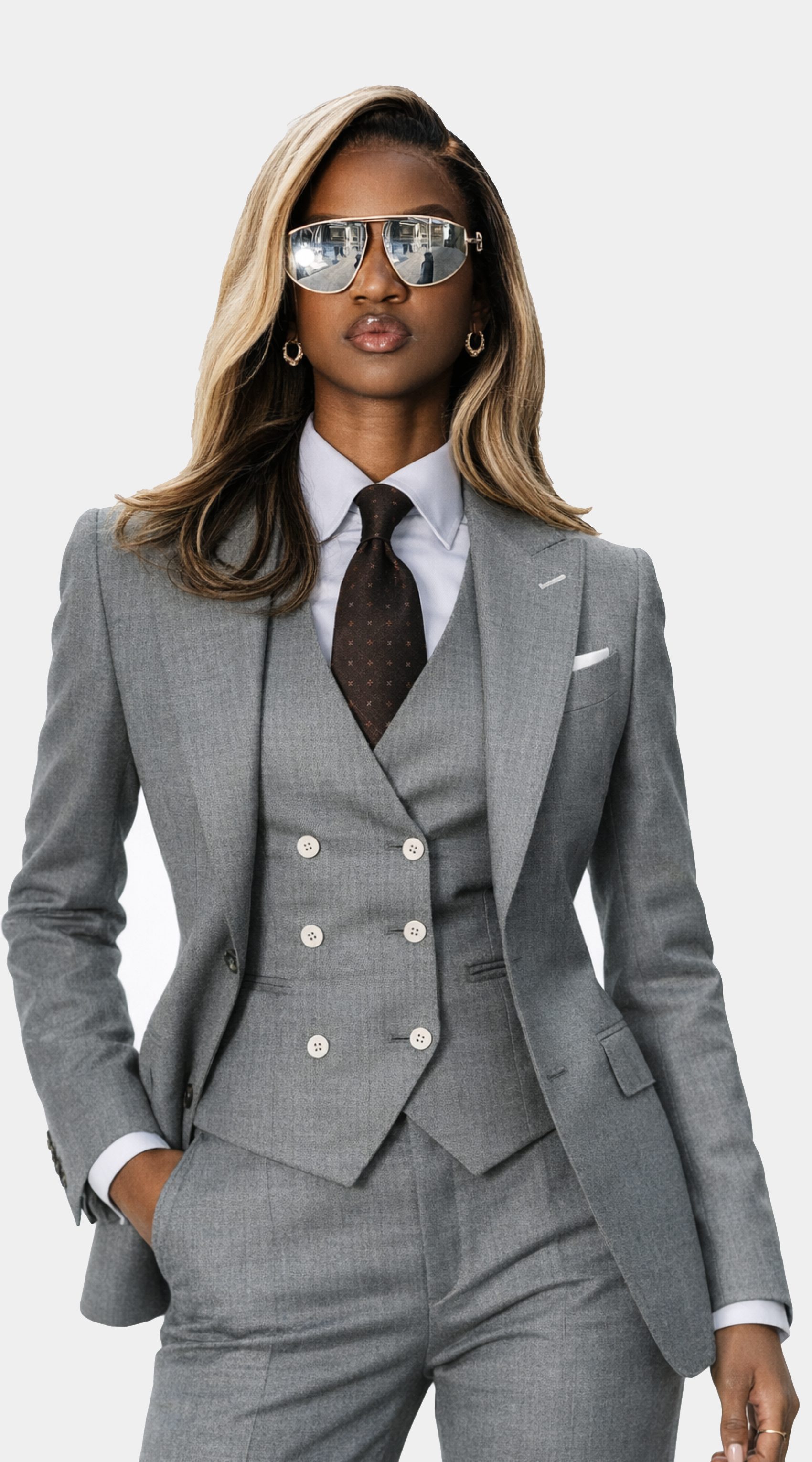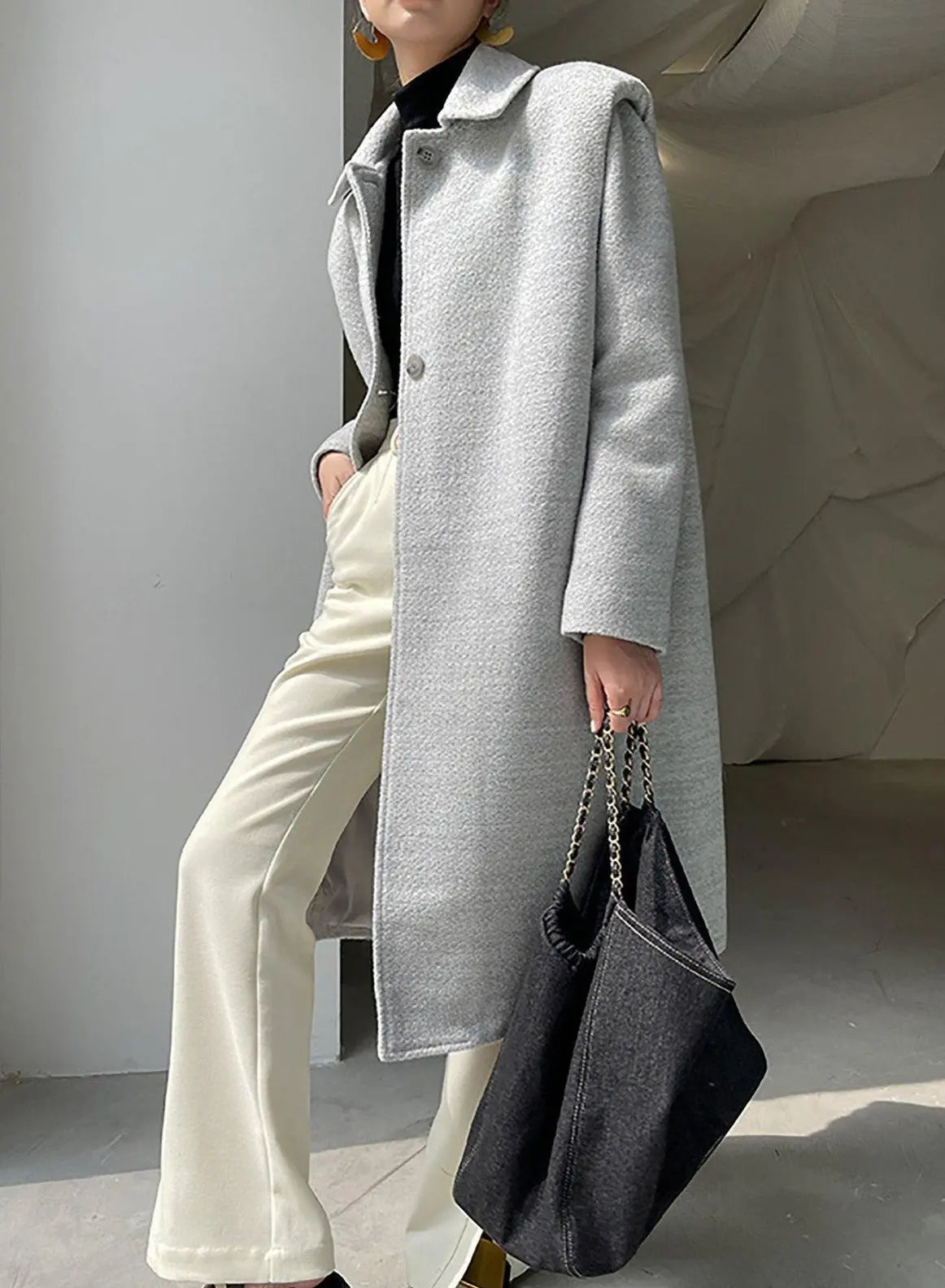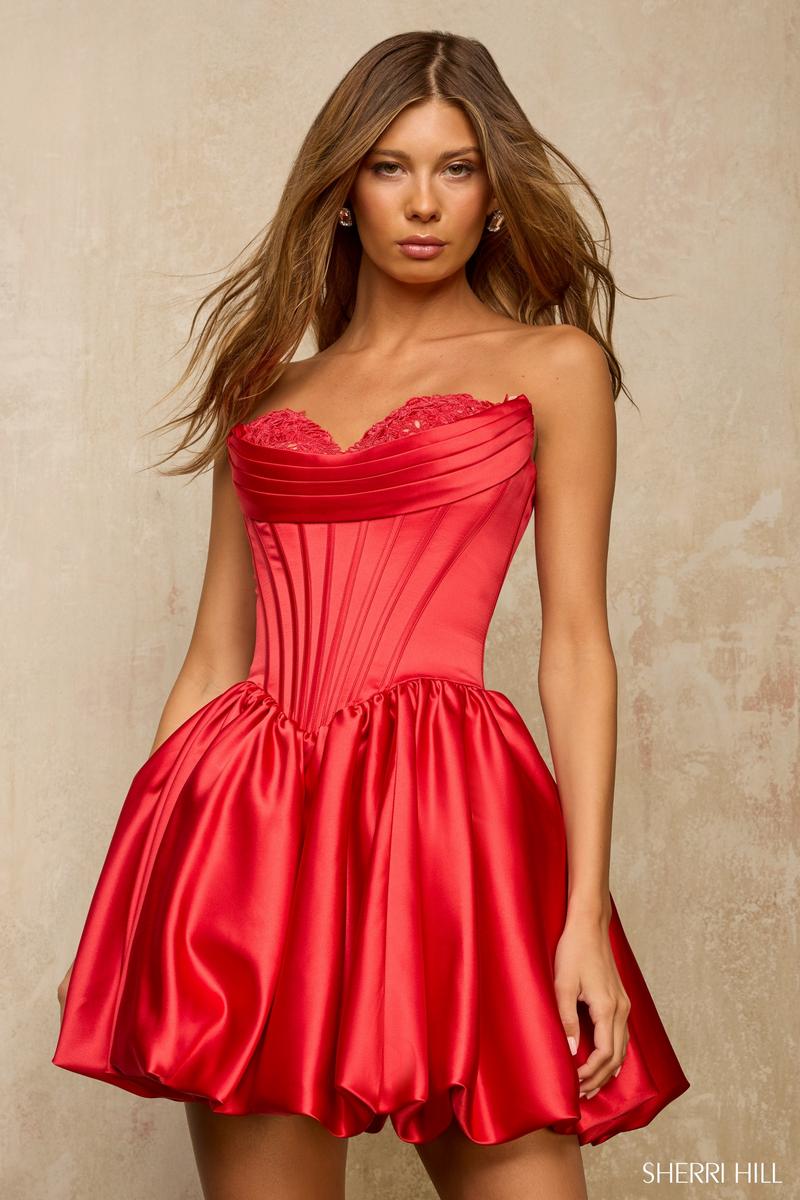


Pocket Placement: Keeping the Skirt from Bulging
Pocket depth matters for comfort as well as appearance. Look from the side with both hands out of the dress.



Shopping security
how to make layered ruffle dress Tiered DIY Color:THYME GREEN
Witchy homecoming dress | Dark academia homecoming dresses, Dark acadamia homecoming dress, Gothic romance lace tulle dress
Characteristics: Heavy weight from embellishments Sparkles and catches light Dramatic, eye-catching Structured (doesn’t drape much) Expensive Best For: Evening galas and formal events New Year’s Eve and holiday parties Proms and milestone celebrations Photography-heavy events Making bold statements Body Types: Best for those comfortable with attention Can add visual weight Works well in strategic placement Consider all-over vs accent sequins Care Requirements: Professional cleaning only Store in breathable garment bags Keep away from rough surfaces Never iron or steam directly Check for loose beads regularly Pros: Extremely eye-catching and glamorous Photographs beautifully with flash Makes bold fashion statements Works for high-energy events Unique and memorable Cons: Very heavy to wear all evening Uncomfortable for long periods Expensive purchase and maintenance Can snag on everything May be too bold for some events Choosing Fabric by Season Spring (March–May) Best Fabrics: Chiffon (light, airy, comfortable) Organza (structure without heat) Light silk (breathable, elegant) Lace (romantic, seasonal) Crepe (modern, not too heavy) Colors That Work: Pastels (blush, mint, lavender, sky blue) Soft neutrals (champagne, ivory, beige) Light florals Soft jewel tones Avoid: Velvet (too hot) Heavy satin (uncomfortable) Very thick fabrics Summer (June–August) Best Fabrics: Chiffon (most comfortable option) Light organza (structure with airflow) Silk (natural temperature regulation) Cotton blends (casual events only) Lightweight crepe Colors That Work: Bright jewel tones (coral, turquoise, emerald) Light metallics (gold, rose gold) Soft pastels Vibrant colors Avoid: Velvet (extremely hot) Heavy satin (causes sweating) Sequins (heavy, hot, uncomfortable) Thick lace Special Considerations: Choose sleeveless or short sleeve styles Look for breathable linings Avoid trains that drag on grass Consider outdoor venue temperatures Fall (September–November) Best Fabrics: Velvet (warm, luxurious) Satin (versatile, photographs well) Heavier silk (elegant weight) Taffeta (crisp, structured) Brocade (textured, formal) Colors That Work: Deep jewel tones (burgundy, emerald, sapphire) Earth tones (rust, copper, bronze) Rich neutrals (chocolate, charcoal, navy) Metallics (gold, bronze) Avoid: Very light chiffon (not warm enough) Sheer fabrics without layers Very pale pastels (not seasonal) Winter (December–February) Best Fabrics: Velvet (warmest, most luxurious) Heavy satin (structured, elegant) Silk with lining (adds warmth) Brocade (textured, warm) Thick lace with lining Colors That Work: Deep, rich colors (burgundy, navy, forest green) Metallics (silver, gold, gunmetal) Classic black Jewel tones Avoid: Very light chiffon (too cold) Sleeveless without wrap Bare back styles (unless venue is heated) Special Considerations: Consider long sleeves or wraps Choose lined fabrics Plan for coat check Account for heating in venues Choosing Fabric by Body Type Pear-Shaped (Narrow Shoulders, Wider Hips) Best Fabrics: Chiffon for skirts (skims hips, doesn’t cling) Satin or silk for bodice (adds structure on top) Lace for upper body details (draws eye up) Avoid clingy fabrics at hips Styling Tips: Use structured fabrics on top Choose flowing fabrics for skirts Balance proportions with fabric choices A-line silhouettes in draping fabrics Hourglass (Defined Waist, Balanced Bust and Hips) Best Fabrics: Satin (highlights curves beautifully) Silk (drapes over curves elegantly) Stretch velvet (fits curves, adds luxury) Any fabric that drapes well Styling Tips: Choose fabrics that define the waist Avoid overly stiff fabrics that hide curves Draping fabrics enhance natural shape Fitted styles work well Apple-Shaped (Fuller Midsection, Slender Legs) Best Fabrics: Chiffon (flows over midsection) Draped silk (creates vertical lines) Matte crepe (doesn’t cling) Avoid shiny, clingy fabrics at waist Styling Tips: Choose fabrics that skim, not cling Empire waist styles in flowing fabrics Matte fabrics minimize midsection Vertical draping creates length Rectangle (Balanced Bust, Waist, and Hips) Best Fabrics: Ruffled fabrics (adds curves) Textured lace (creates dimension) Layered tulle (adds volume) Structured satin with details Styling Tips: Use fabric details to create curves Ruching and gathering add shape Layered fabrics add dimension Structured fabrics with belting define waist Petite (Under 5’4″) Best Fabrics: Lighter weight fabrics (don’t overwhelm frame) Chiffon (creates flow without bulk) Light silk (elegant without heaviness) Avoid very heavy fabrics that overpower Styling Tips: Choose fabrics that don’t add bulk Avoid excessive layers Lighter fabrics elongate frame Simple fabric choices work best Plus-Size Best Fabrics: Structured fabrics with stretch (comfortable fit) Matte finishes (minimize rather than highlight) Crepe (flattering drape, not clingy) Chiffon overlays (skim curves beautifully) Styling Tips: Avoid clingy satin on curves Choose fabrics that skim, not cling Matte fabrics more flattering than shiny Structured fabrics with give work best Choosing Fabric by Event Type Black-Tie Galas Best Fabrics: Silk (most formal option) Satin (photographs well, looks expensive) Velvet (for fall/winter) Sequined fabrics (evening sparkle) Heavy lace (elegant overlay) Why: Maximum formality required Photography-heavy events Indoor, climate-controlled venues Evening timing Semi-Formal Weddings Best Fabrics: Chiffon (elegant but not overly formal) Light satin (structured but approachable) Crepe (modern, sophisticated) Lace (romantic, wedding-appropriate) Why: Balance between formal and casual Often daytime or outdoor venues Photography important but less formal Comfort for longer wear Outdoor Events Best Fabrics: Chiffon (moves in breeze, comfortable) Light organza (structured without heat) Cotton-silk blends (breathable) Avoid trains and heavy fabrics Why: Temperature considerations Wind and weather factors Grass, sand, or uneven surfaces Often warmer than indoor venues Proms Best Fabrics: Satin (photographs beautifully) Sequined (sparkle, excitement) Tulle (youthful, dramatic) Organza (structure, volume) Why: Photography-focused event Dancing and movement Youthful, bold styles appropriate Making memorable impressions Corporate Formal Events Best Fabrics: Crepe (sophisticated, modern) Matte satin (elegant without too much shine) Silk (upscale, professional) Structured fabrics (polished appearance) Why: Professional context Elegant but not overly flashy Indoor venues Conservative appropriate Fabric Care and Maintenance Dry Clean Only Fabrics Always Dry Clean: Silk Satin Velvet Heavy lace Sequined and beaded fabrics Taffeta Brocade Why Dry Clean Only: Water damages fabric structure Special solvents preserve finish Prevents shrinking and distortion Maintains shape and drape Protects embellishments Cost: Standard gown: 15–30 dollars Heavy/embellished: 30–60 dollars Rush service: Additional 10–20 dollars Can Hand Wash (With Care) Sometimes Hand Washable: Polyester chiffon Some tulle Simple cotton blends Organza (test first) Hand Wash Instructions: Fill sink with cool water Add gentle detergent (1 tablespoon) Submerge dress, swish gently Soak 15 minutes maximum Rinse in cool water until clear Never wring or twist Roll in towel to remove water Hang or lay flat to dry Steam wrinkles (never iron) Risk: May damage fabric anyway Could cause shrinking Colors may run Shape may distort Professional cleaning safer Wrinkle Removal Steaming (Best Method): Hang dress in bathroom during hot shower Use handheld steamer (6–12 inches away) Never touch steamer to fabric directly Work from top to bottom Allow to dry completely before wearing Never Iron: Silk (use professional pressing) Velvet (crushes pile permanently) Sequined fabrics (melts embellishments) Satin (leaves permanent marks) Safe to Iron (Low Heat): Cotton blends only Use pressing cloth Test on hidden area first Iron inside out when possible Storage Short-Term (Before Event): Hang on padded hangers Use breathable garment bag Keep in cool, dry place Avoid direct sunlight Check regularly for issues Long-Term (After Event): Clean before storing Use acid-free tissue in bodice Breathable garment bag only Store in climate-controlled space Check annually for damage Never plastic bags (traps moisture) How to Order Fabric Swatches Why Order Swatches Benefits: See actual color in person Feel fabric texture and weight Compare multiple options Make confident decisions Free from Azazie What You Can’t Tell Online: True color (screens vary) Fabric weight and drape Texture and feel How it photographs Sheen and shine level How to Order Step 1: Visit Azazie Website Go to formal dress collection Select dress you’re considering Find “Order Free Swatches” option Step 2: Select Swatches Choose colors you’re considering Can order multiple fabrics Add to cart Swatches are free (shipping may apply) Step 3: Review at Home Swatches arrive in 3–6 business days View in different lighting Feel weight and texture Compare with other swatches Test against skin tone Step 4: Make Decision Choose best fabric and color Order dress with confidence Keep swatches for reference Common Fabric Combinations Lace Over Satin Effect: Romantic, textured look Satin provides structure Lace adds visual interest Classic combination Best For: Wedding guest dresses Vintage-inspired gowns Romantic events All seasons Chiffon Over Organza Effect: Soft exterior with structured base Creates flowing movement Adds volume without weight Ethereal appearance Best For: A-line and ball gowns Spring and summer events Lightweight formal dresses Romantic styling Sequins on Mesh Base Effect: Maximum sparkle Lighter than sequins on satin More comfortable Modern look Best For: Evening galas Proms New Year’s Eve High-energy events Velvet with Satin Trim Effect: Rich texture contrast Elegant definition Vintage glamour Luxurious appearance Best For: Fall and winter events Classic, elegant styling Formal galas Opera or theater Conclusion Choosing the best fabric for your formal dress depends on season, event formality, body type, and personal comfort
top 100 bestsellers on sale little girls
Color:THYME GREEN
Thoughtfully made with recycled materials for a lower-impact choice
Ships within 48 hours · Estimated delivery Oct 23 - Oct 28
US$40
Get nowSign up to your membership to get coupons up to
15%
Get nowOpportunity to enjoy order discount up to 15% off
Walk normally to judge whether the skirt limits your preferred stride. Look at the front, side, and back if possible instead of assessing only one angle.
Compare measurements for each piece separately rather than assuming one labeled size suits both. Check care labels for both pieces before planning to clean them together.
Check how far the functional opening extends down the skirt. Ask whether a spare matching button is supplied with the garment.
Uniform Dress Developer: Anna Wheeler
Over 16 years in the trade, the focus has narrowed to dresses and skirts. Usually starts with checking pocket access on work skirts; reviewing repeated-laundering samples follows once the brief is clear. Staff need to bend and reach comfortably. Combined formal study in clothing technology with paid placements in the clothing trade. Keeps the original brief beside the revision notes to catch drifting expectations.
Pocket depth matters for comfort as well as appearance. Look from the side with both hands out of the dress.
The inner skirt can limit movement beneath an open outer shape. Sit and stand to check whether the upper section releases.
The lining may stretch less than the outer knit. Compare the lining's movement with the outer cloth.

US$ 21.95

US$ 21.65


US$ 29.43
US$ 21.84

US$ 21.39

US$ 22.09


US$ 27.61


US$ 27.24